IMG_2034

Puglia - The Heel of the Italian Boot

Take white limestone, the turquoise of the sea, the green of olive trees stretching to the horizon, and thousands of years of architectural history in evolving styles. Place them under a sun that paints everything in golden hues, and you will get an Italian experience distinctly different from any other place you know in Italy.

All this beauty is just a three-hour flight away if you choose to fly into Bari, or a three-and-a-half-hour flight followed by a three-hour drive if you choose, as we did, to fly into Naples and cross over to Puglia through the Campania region, dotted with vineyards and wineries.

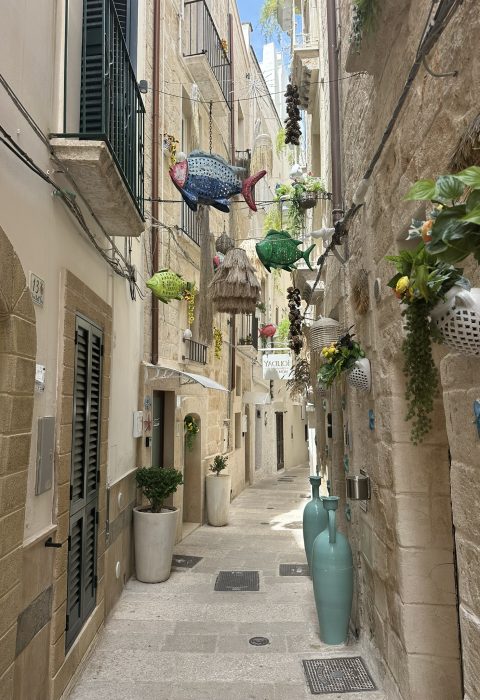
Puglia is a region of white alleyways (sometimes steep, and sometimes very steep), ancient fishing ports, Trulli houses, and Masserie (ancient farmhouses converted into boutique accommodations). It carries a Mediterranean fragrance on one side, and the Adriatic Sea facing Albania on the other. Puglia is the birthplace of Orecchiette, the small, ear-shaped pasta, as well as mozzarella and burrata cheeses.

Puglia is also where the song “Volare” (which awaits you at the end) was created, which is so much more than just a song. It has become a symbol of Italy, representing a sense of freedom, light, the joy of life, and the ability to pause and appreciate the beauty all around.

This is exactly the feeling you get in Puglia. Join me in exploring the uniquely designed spaces, crafted by both human hands and nature, in the magnificent region of Puglia.

Puglia - Between the Adriatic and the Mediterranean Seas

Before We Begin #1 - Please Keep Comparisons Aside

The questions I was asked most frequently regarding Puglia were how it compares to:

  • Amalfi (because it is nearby, and flying into Naples works well for both)

  • Tuscany (because of the rolling hills, the wine, and the rustic hospitality)

  • Cinque Terre (because of the alleys cascading down to the sea)

  • Florence (because of the rich Baroque architecture; greater minds than ours have made this comparison, so we will gracefully move past it)

  • Rome (because of the culinary scene and the architectural history)

So yes, Puglia offers a bit of everything. Making comparisons is a very natural part of choosing a travel destination—it is a way to understand if we will love a place or find it interesting. However, comparisons are largely in the eye of the beholder. My recommendation is to arrive at a new destination with an open heart, experiencing it free from labels and categories, stepping outside familiar patterns, and making room for a different, distinct experience like the one waiting for you in Puglia. It is the good, alternative Italy, holding a bit of everything, yet expressing it entirely in its own unique way.

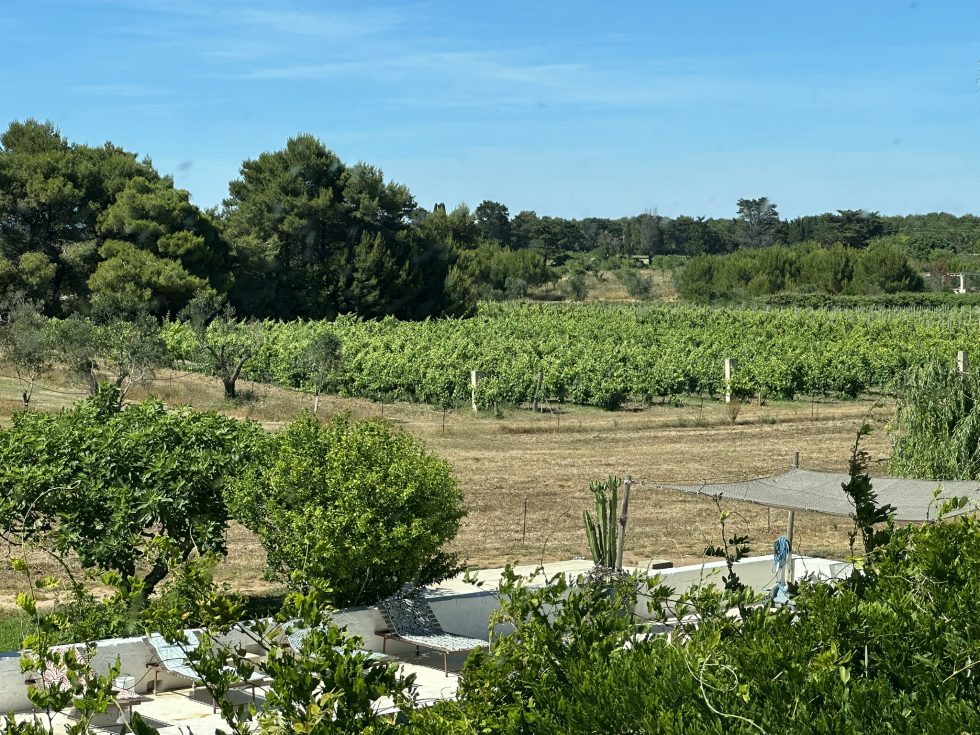
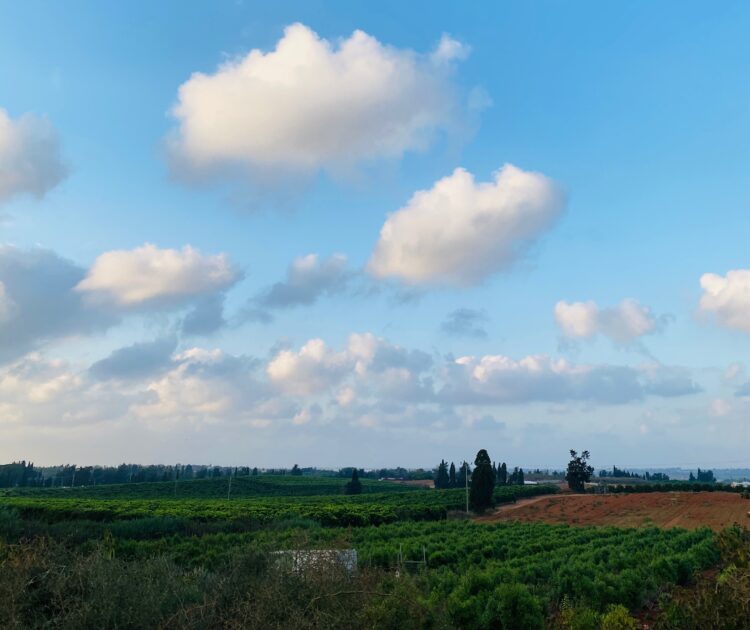
Olive groves stretching to the horizon

Before We Begin #2 - A Few Facts About Puglia

Puglia stretches along more than 800 kilometers of coastline, between the Adriatic Sea to the east and the Ionian Sea to the southwest.

  • Its location, at the meeting point between Italy and the Balkans, has made it a crossroads of cultures, commerce, and conquests for thousands of years, with their influence remaining evident today in the architecture, cuisine, and character of the towns.

  • The landscape of Puglia alternates between vast plains, gentle hills, millions of ancient olive trees, and the pale limestone from which the cities, farms, and villages were built.

  • The local stone gives many of the structures the golden hue that so characterizes the region.

  • It is common to divide Puglia into several regions with distinct characteristics: the mountainous and green Gargano in the north, the immense Tavoliere plain, the Itria Valley with its famous Trulli houses, and the Salento peninsula in the south, which was the primary reason for our journey—and you will understand why as we continue.

The vast area, the abundance of destinations, and the logistics of connecting them guided us to choose four different accommodations, each suited to its specific region and the duration of our stay (a total of 8 days, a timeframe I highly recommend, and extending it would be even better). The idea of taking a “star-shaped” trip from a single home base (an option we initially considered) results in overly long drives, whereas staying in multiple locations allows you to fully experience the relatively distant areas, which are, naturally, especially rewarding. Furthermore, moving between accommodations adds a wonderful layer of interest to the trip in my view, and with smart packing, it is easy to execute and completely worth the minor effort.

Puglia feels like several different destinations; with every hour of driving, the scenery, building materials, vegetation, and even the atmosphere transform, yet the connection between the sea, the limestone, and the Mediterranean light remains the unifying thread that creates its unique magic throughout.

We Have Begun. First Up, Wine - Redici Resort

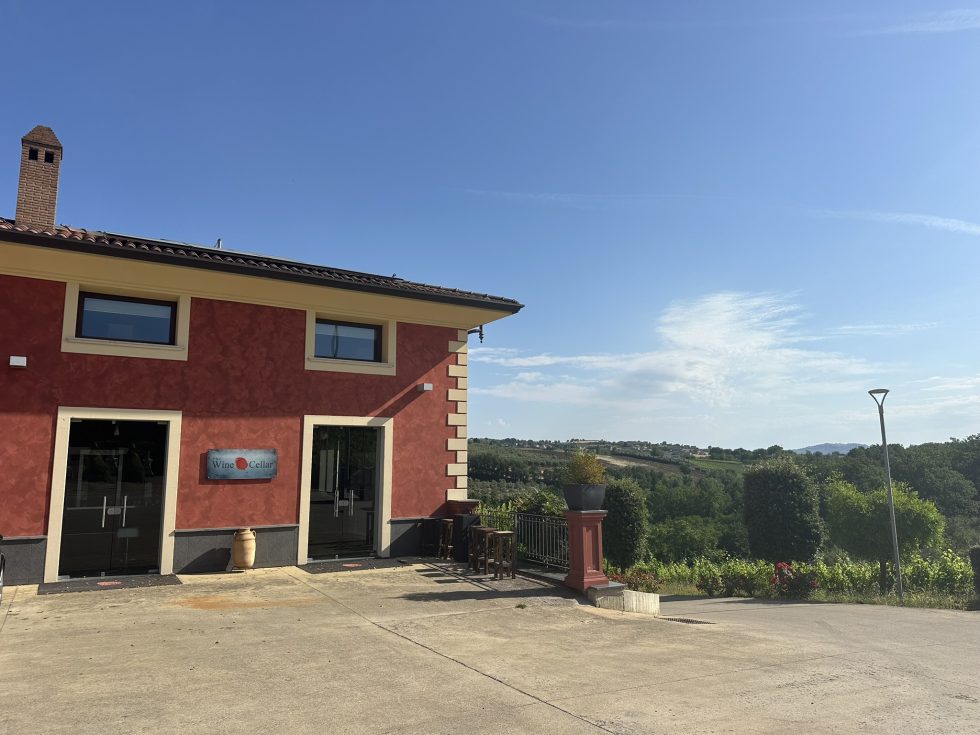
About an hour and a half from Naples, along a winding road through vineyards, green hills, and small villages, lies the Redici Resort, right in the heart of the Campania wine region. It invites you to appreciate its unique charm purely on its own merits, leaving thoughts of Tuscany aside, and to discover a secluded gem of Southern Italy before continuing on to Puglia.

If you land in Naples, especially in the late afternoon as we did, it is highly recommended to make an overnight stop on the way to Puglia, and this estate was an absolutely perfect choice.

The Redici estate belongs to the Mastroberardino family, one of Italy’s most established and renowned wine families. For over one hundred and fifty years, the family has been cultivating grapes and producing wine in the Irpinia region. They are celebrated as one of the key families responsible for preserving the local grape varieties, successfully transforming the area into a major wine hub in Southern Italy.

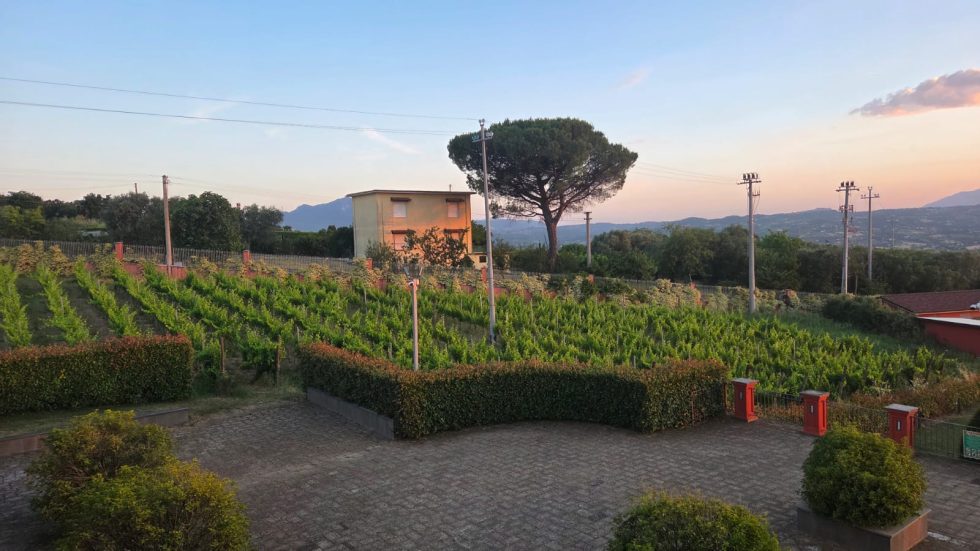
The estate rests among vast vineyards in the heart of the Taurasi wine region, comprising stone buildings that blend harmoniously into the surrounding rural landscape. The vineyards, the winery, the hotel, and the excellent restaurant all operate as a single, cohesive entity. This allows visitors to intimately experience the connection between the land, the wine, and the local culture, all within a tranquil atmosphere overlooking an endless vista of vineyards.

For us, whose flight was confirmed only at the very last moment, the estate provided a wonderful space to shift our mindset and fully surrender to the scenery, the food, and the wine—the fruits of a long-standing tradition, offering a refreshing contrast to the place we had just left behind.

Radici Estate in the Campania region

Matera - 9,000 Years Carved in Stone

Our second stop, located in the Basilicata region right next to Puglia, is Matera—one of the oldest continuously inhabited cities in the world. The first caves were populated back in prehistoric times, and the city was officially declared a World Heritage Site in 1993.

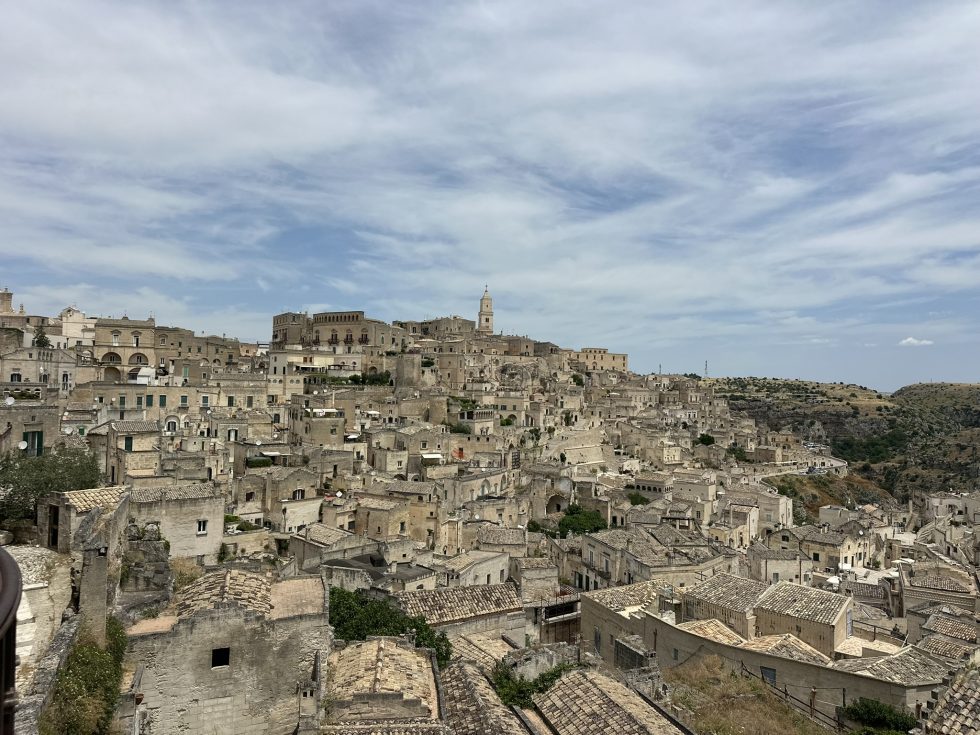
The Sassi district is an entire city built layer upon layer. One street frequently serves as the roof for another house. Staircases lead into caves that have been beautifully transformed into private homes and luxury hotels, churches are carved directly into the soft limestone rock, and a highly sophisticated water collection system enabled the residents to successfully sustain life in the area.

Matera - A city continuously inhabited for approximately 9,000 years

Sextantio Le Grotte della Civita - Luxury Carved in Rock

A gentle note for your travel plans: this luxurious, rock-carved hotel is nestled at the very bottom of the ancient city, promising a vigorous, steep climb at the end of your visit. Hotel guests, however, enjoy the convenience of a dedicated shuttle service. We opted for alternative accommodations for our stay, bearing in mind the numerous reviews mentioning the distinctly earthy aroma that naturally accompanies this highly authentic cave experience. The descent through the winding alleys is wonderfully pleasant, revealing breathtaking panoramas, while the ascent back up guarantees an equally breath-taking, intense workout—consider this a friendly tip to come prepared!

I happily completed the trek to bring you a fascinating lesson in architectural preservation.

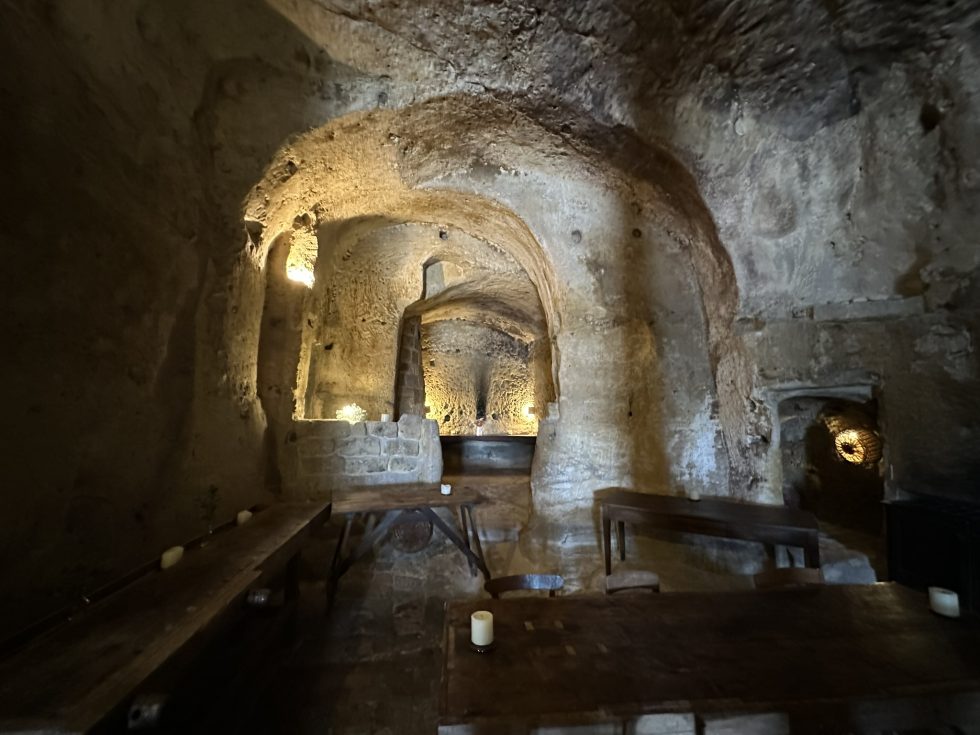
The hotel is housed within the ancient caves and was meticulously restored, maintaining almost absolute preservation of the original spaces. The stone walls, vaulted ceilings, floors, and entryways remain exactly as they have been for millennia. The minimalist interior design gracefully allows the architecture to take center stage, letting the original, powerful soul of the site shine brightly.

The hotel lobby, carved into a millennia-old cave.

MUSMA - A Contemporary Art Museum in a Stone-Carved Palace

Nestled among the district’s winding alleys are various art museums and galleries, the most prominent of which is the MUSMA Museum of Contemporary Art. The museum is housed within Palazzo Pomarici, a 16th-century building that served for generations as the residence of the Pomarici family, one of the city’s most influential families. Over the years, the palace was thoughtfully expanded, with subterranean spaces, caves, cellars, and water cisterns constructed around it.

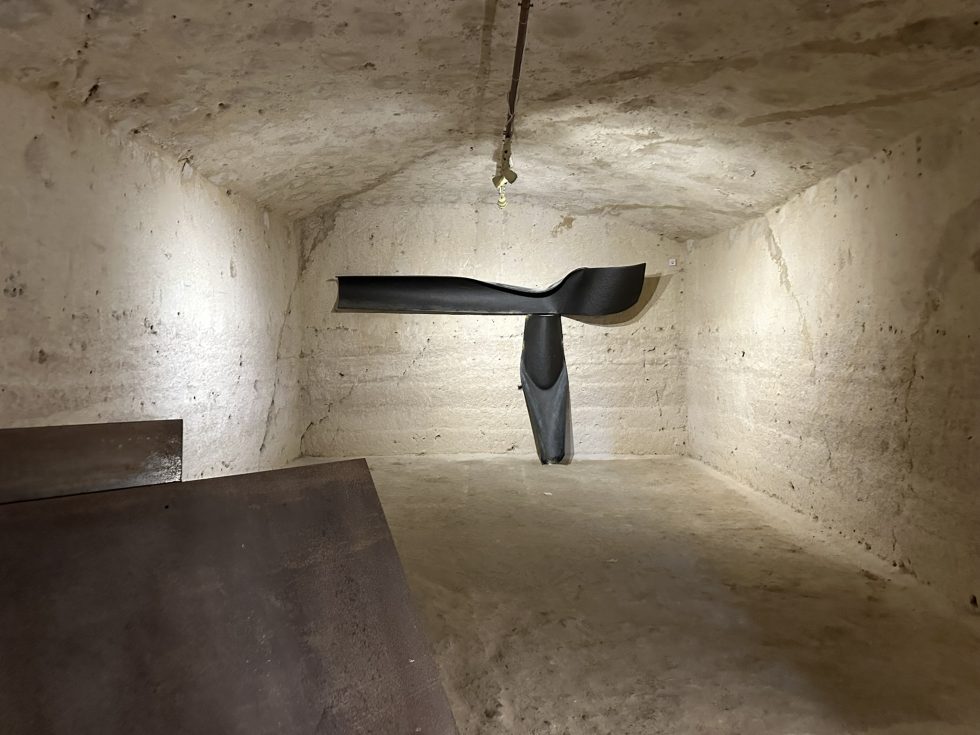
The entire complex has been gracefully transformed into a museum where the architecture itself serves as an integral part of the exhibition. During your visit, you will wander through the historic palace rooms and descend into the rock-carved caves, all beautifully showcasing primarily modern sculptures by Italian and international artists from the 19th century to the present day.

A historic building infused with new life, beautifully complementing its original, captivating story.

Modern art within a building with a rich history

Grottaglie - Puglia's City of Ceramics

After about an hour’s drive through green hills, we transitioned from the thousand shades of beige of the limestone from which Matera is carved, and arrived at the endless colorfulness of Grottaglie’s ceramics district.

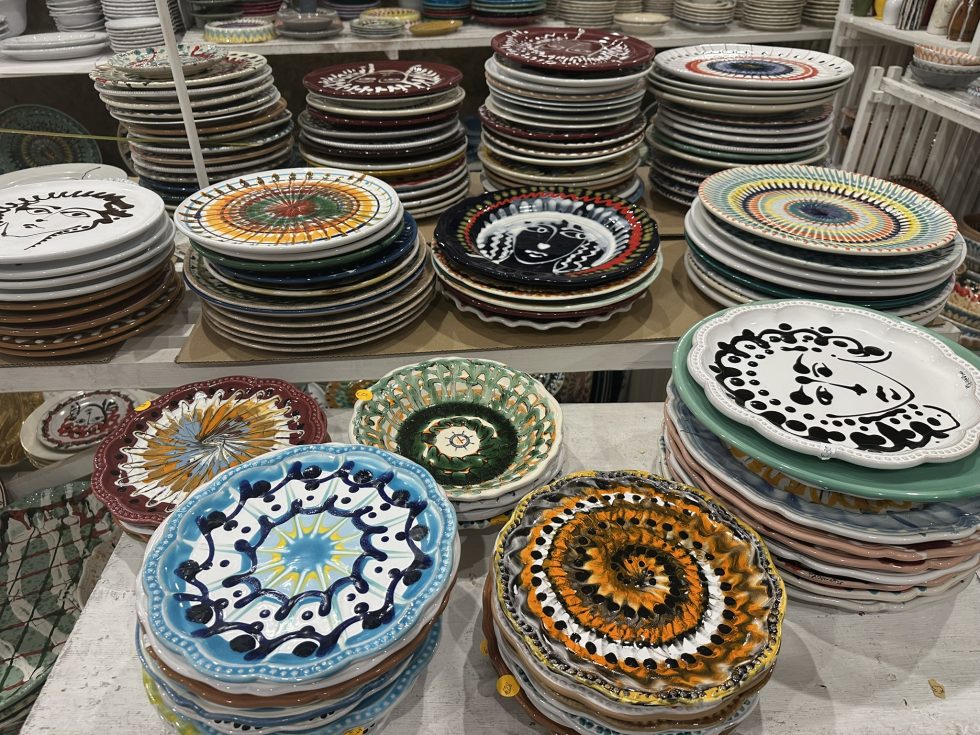
Over the centuries, this small town has evolved into the ceramics capital of Southern Italy. Ceramic workshops have been operating here since the 15th century, thriving thanks to the layers of high-quality clay found in the region and the local traditions passed down from generation to generation.

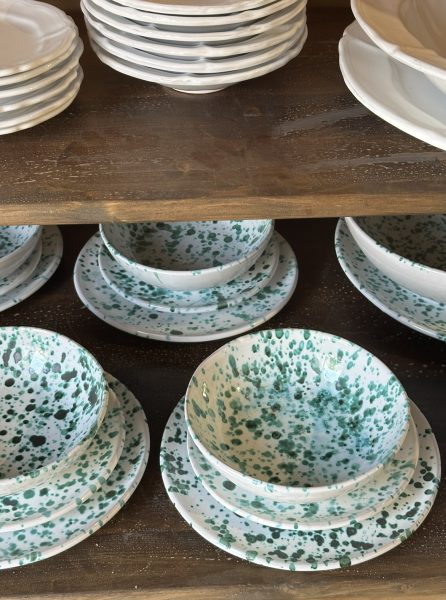
Grottaglie's ceramics are renowned for their vibrant, bold colors
IMG_1654
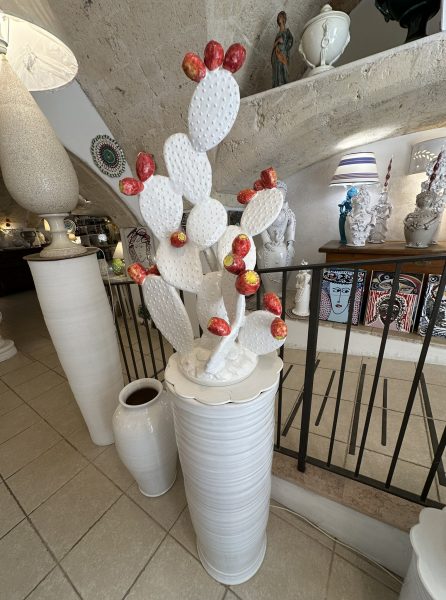
Alongside the rich tradition, contemporary creators also flourish within the town
IMG_1638
A beautiful fusion of ancient craftsmanship and modern design

Lecce - The Florence of the South

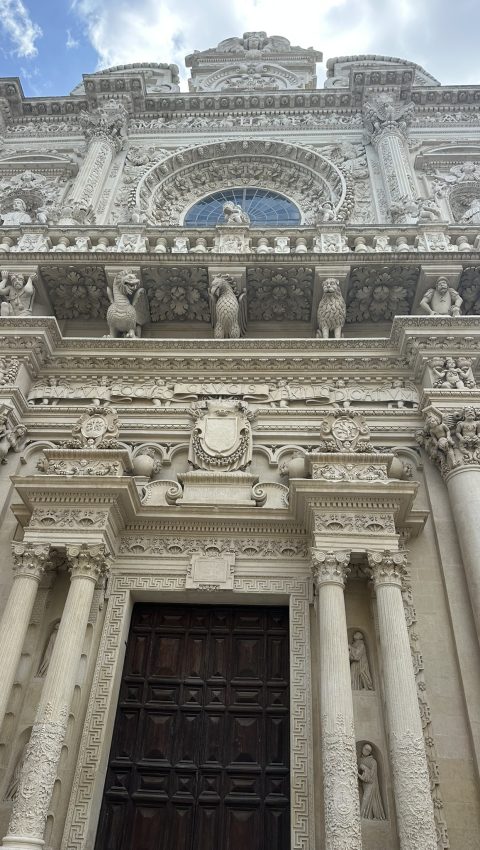
Lecce, the capital of the Salento region, is a spectacular city that has earned the title “The Florence of the South” (a comparison that feels completely natural) thanks to its extraordinary Baroque architecture, making it one of the most beautiful cities in Europe. (As a brief aside, the Baroque architectural style originated in Italy at the end of the 16th century, designed to evoke deep emotion and inspire awe following the balanced and harmonious Renaissance period). While many Italian cities are traditionally built from marble or dark stone, Lecce offers a distinctly unique aesthetic, as it was built from Pietra Leccese-a soft, local stone with a warm golden hue.

 The gentle nature of this stone provided artisans and sculptors the freedom to craft facades that are remarkably rich in detail, beautifully adorned with intricate carvings, figures, and floral motifs..


Museo Castromediano This is the most important public museum in Puglia. The collection includes mosaics, sculptures, ancient ceramics, and Greek and Roman artifacts. In recent years, modern spaces and contemporary design exhibitions have also been beautifully integrated.

IMG_1757

The City That Combines History, Architecture, and Art

The city has many museums, and these are especially worth knowing and visiting:

MUST – Museo Storico della Città di Lecce

The museum is housed in an ancient 16th-century monastery, where layers of history are revealed side by side, ranging from Roman ruins to spaces restored with contemporary design. The exhibitions combine contemporary art, photography, installations, and design alongside the historical story of Lecce.

Fondazione Biscozzi | Rimbaud

A true gem for modern art enthusiasts. The foundation presents an impressive private collection of 20th-century Italian art, featuring works by important artists.

Museo Castromediano This is the most important public museum in Puglia. The collection includes mosaics, sculptures, ancient ceramics, and Greek and Roman artifacts. In recent years, modern spaces and contemporary design exhibitions have also been beautifully integrated.

Hotels as Part of the Artistic Experience

Among the magnificent Baroque churches, hidden courtyards, and golden limestone alleys, exceptional boutique hotels have been introduced in recent years.

La Fiermontina Luxury Home is the prominent art hotel in Lecce, bridging art, architecture, history, and an extraordinary family legacy born from a beautiful love story.

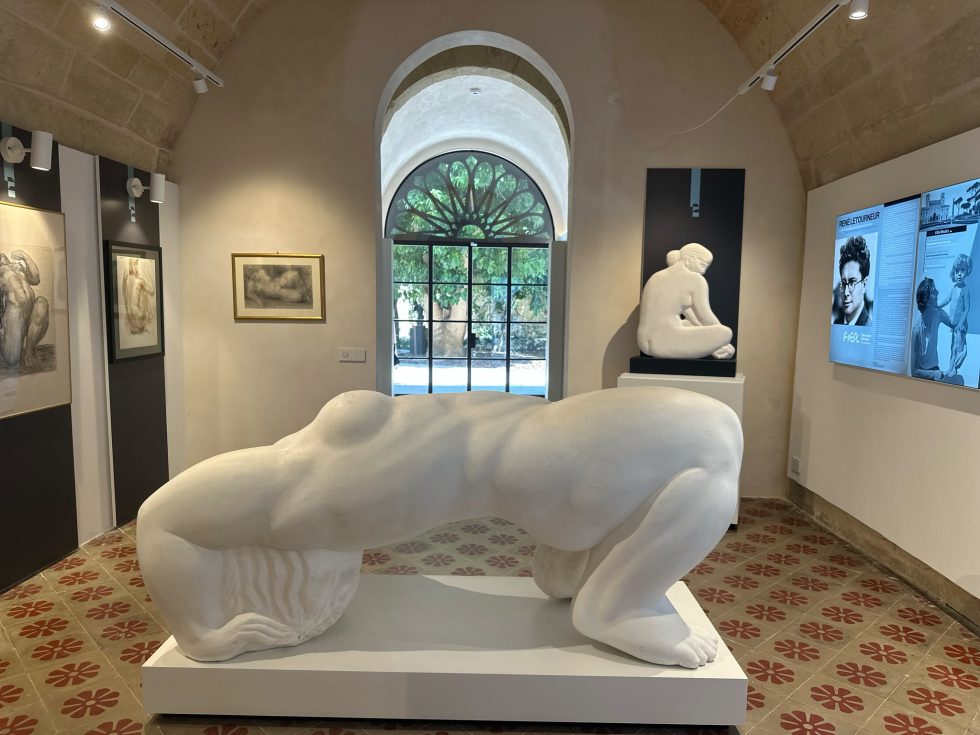
The estate was established as a tribute to Antonia Fiermonte, a native of Lecce, a painter, violinist, and a striking beauty. Antonia moved to Paris in the 1930s and became the muse and partner (at different times) to two renowned French sculptors: René Letourneur (her first husband) and Jacques Zwobada (who passionately courted her, leading her to a new chapter as his wife). Antonia’s vibrant journey concluded at the age of 42. Jacques immortalized her in countless artworks, and René’s creations beautifully reflect the profound emotional depth of their shared history. The two men remained close friends throughout their lives. Her grandchildren established the hotel to bring their remarkable story back home to her native city.

The hotel features just four guest suites, each thoughtfully designed around a different artistic discipline: sculpture, painting, music, and cinema. Additionally, the complex includes a private museum and a restaurant, all centered around a spacious garden that harmoniously blends ancient olive trees with stunning sculptures. The rooms are designed with minimalist lines that perfectly highlight the local Pietra Leccese stone, the high vaulted ceilings, and the elegant Italian furniture. Throughout the hotel, original artworks and sculptures by René and Jacques are displayed, many of them lovingly immortalizing their beloved Antonia.

The private museum, beautifully added in recent years, is dedicated to the family’s remarkable story and their art. Both the museum and the enchanting garden warmly welcome all visitors, alongside the hotel’s guests.

La Fiermontina - A private museum within a boutique hotel in Lecce
IMG_1690
Palazzo De Noha

More Hotels Offering an Artistic, Architectural, and Historical Experience

Palazzo Bozzi Corso – Also part of the La Fiermontina collection, this 18th-century palace has been beautifully transformed into an elegant boutique hotel. The true magic here lies in the harmonious meeting between historic architecture and minimalist contemporary design. Beautifully frescoed ceilings, original flooring, and rooms where every single detail has been meticulously selected come together to create an experience that deeply resonates with aesthetics enthusiasts.

Pollicastro Boutique Hotel – A beautifully intimate hotel situated within a historic palace right in the heart of the ancient city. The design gracefully incorporates fine artworks, meticulous Italian furniture, and authentic local materials, creating the welcoming atmosphere of a private art collector’s home.

Opposite the impressive Basilica di Santa Croce stands one of the city’s iconic hotels—the Patria Palace Hotel. This is a wonderfully classic luxury hotel, boasting an exceptional connection to the local architecture.

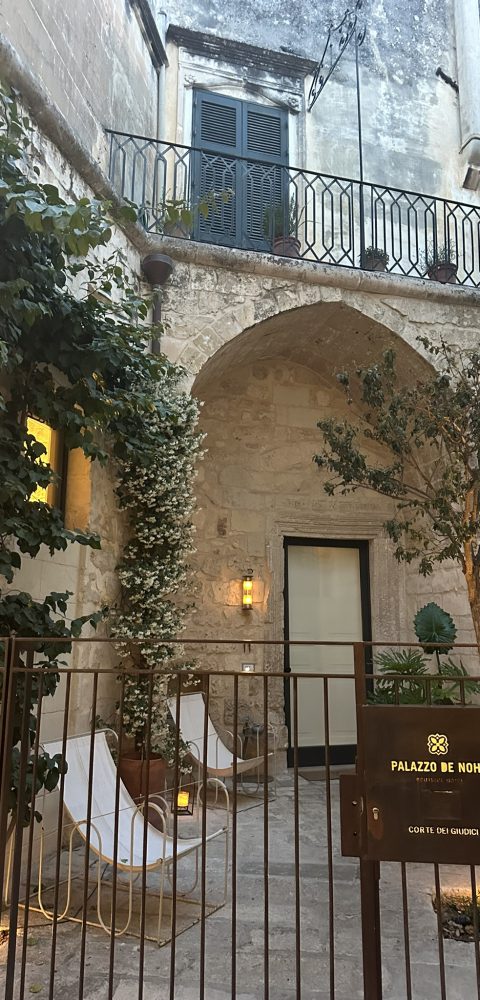
Palazzo De Noha – A perfectly appointed, intimate boutique hotel located within an 18th-century palace. The contemporary design is calm and clean, beautifully layered upon the building’s rich history. It has been honored with a Michelin Key for its meticulous preservation of the vaulted ceilings, original flooring, and even ancient Roman ruins. This freshly reimagined hotel features a beautiful rooftop with a plunge pool and stunning city views, providing a picturesque setting for breakfast.

Galleries and Design Shops

Lecce is a true city of art and design. Alongside the museums and historical art spaces, a vibrant contemporary art and design scene thrives within its galleries and design boutiques.

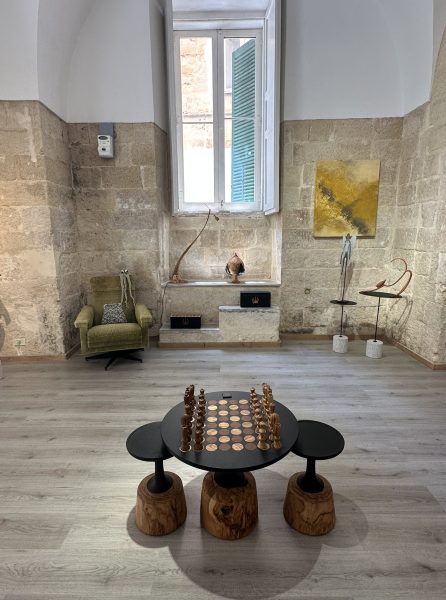
TONDADESIGN is perhaps the most prominent among them, beautifully showcasing creative studio design. The space was founded by the designer duo Melinda Massaro and Antonio Feda. The gallery’s unique charm lies in its harmonious blend of contemporary design with the raw materials and local traditions of Salento and Puglia. The space features exquisite works made of Lecce stone, wood, metal, polymers, and recycled materials, displayed alongside artistic objects and originally designed furniture. Many of the pieces are produced in limited editions or as one-of-a-kind creations, offering a fascinating glimpse into how local artisans wonderfully merge functional art, product design, and traditional handcrafting.

IMG_1804
TONDADESIGN - Design Gallery
IMG_1765
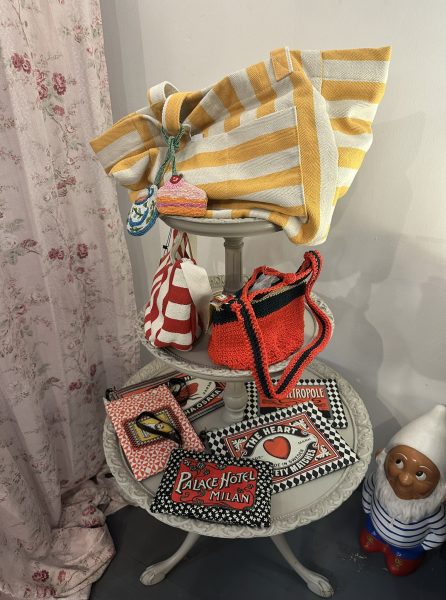
Vico dei Bolognesi - A modern concept store within a historic palace

Vico dei Bolognesi, an enchanting concept store located near the Jewish Quarter and the Basilica di Santa Croce, beautifully combines functional design items, men’s and women’s fashion, books, textiles, and lighting.

The meticulously selected items from Italian and international brands are displayed in an eclectic atmosphere. It is a wonderful place to discover unique brands and enjoy design at its finest, offering endless inspiration for every visitor.
IMG_1909
Masseria Prosperi

Masseria - A Hospitality Experience Unique to Puglia

Filled with rich, ancient history, we continued to our next destination—a place entirely devoted to the sea, olive groves, wildly beautiful nature, and an atmosphere of absolute freedom.

One of the elements that makes Puglia so incredibly special is the experience of staying in a Masseria.

Masserias were originally fortified agricultural farms, built among the olive groves and fields, combining living quarters, farming, and livestock. In recent decades, many of them have been meticulously restored and transformed into boutique hotels, while beautifully preserving their authentic, rustic character.

The farm is surrounded by olive groves and is located just minutes from the sea, allowing you to simultaneously enjoy the tranquility of the countryside and the beautiful beaches of Salento.

The masseria opened its doors to guests in 2013, guided by the couple Mercedes and Antonio, who transformed a rustic farm into a space that feels like a meticulously designed private home, complete with hosts who have been eagerly awaiting your arrival. Mercedes is the visionary behind the stunning, serene design of the estate, carefully curating a beautiful collection of furniture and objects gathered from antique markets and her travels across Europe. Meanwhile, Antonio leads the culinary experience, offering a menu beautifully grounded in local produce and fresh vegetables from the masseria’s organic garden.

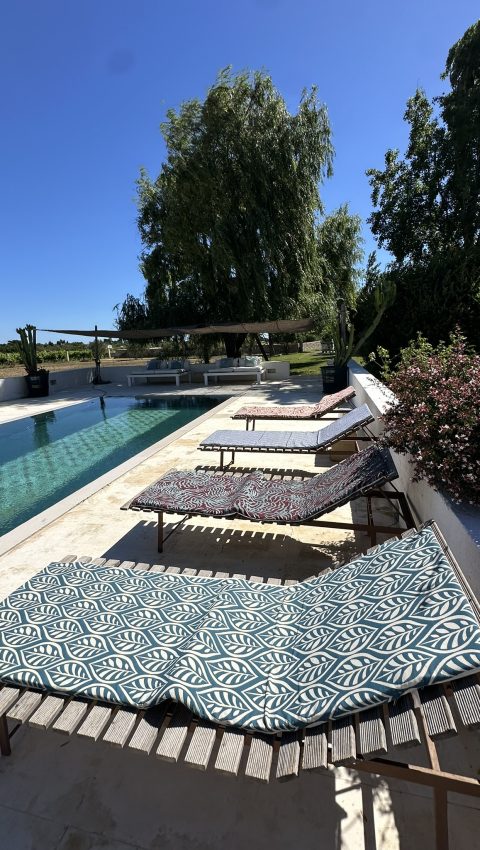
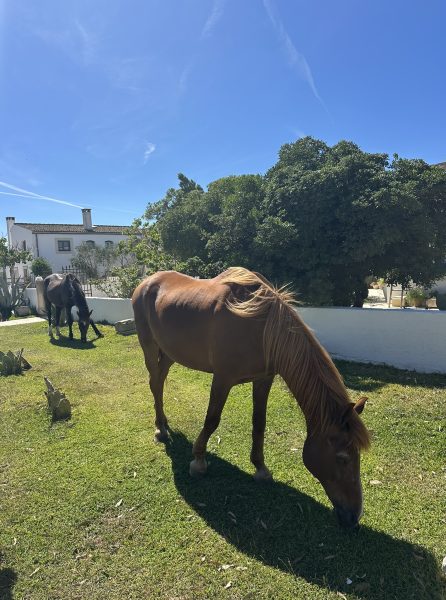
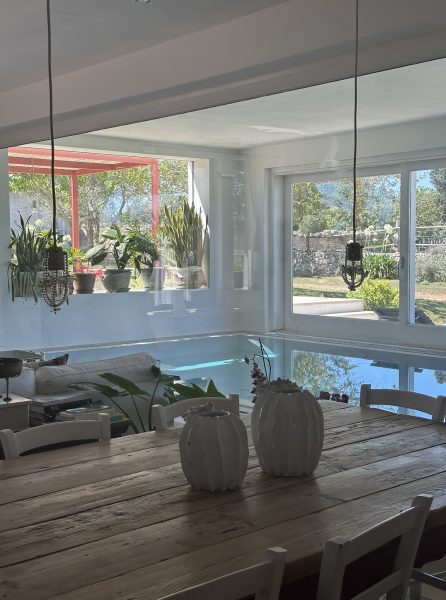
Alongside the couple’s own residence are 8 spacious guest rooms, a swimming pool beautifully nestled among the olive trees, an indoor pool, a spa, and a hammam. Friendly farm animals roam the grounds, and vast expanses of fields and orchards stretch endlessly to the horizon. It radiates an atmosphere of life moving at a wonderfully different pace—where true beauty and luxury are discovered in pure simplicity.

Puglia is home to many superb masserias, offering an exclusive experience that reflects the immense investment in every detail and the wonderfully intimate number of guest rooms. While some have evolved to focus primarily on high-end opulence, there is a distinct charm in celebrating those that beautifully preserve the magical simplicity and deeply personal touch that this traditional hospitality offers.

IMG_1981
Farm animals
IMG_1930
Indoor pool and shared meals

Otranto - Italy's Eastern Gate

The wonderful masseria served as a perfect base for short trips to wild beaches and to pampering beach clubs with waterfront restaurants looking out towards Albania across the sea. The entire area is beautifully rich with caves that can be reached by boat, offering a fantastic experience for those who love this type of adventure.

Otranto, the historic port city of Salento, is the closest Italian city to Greece and Albania.

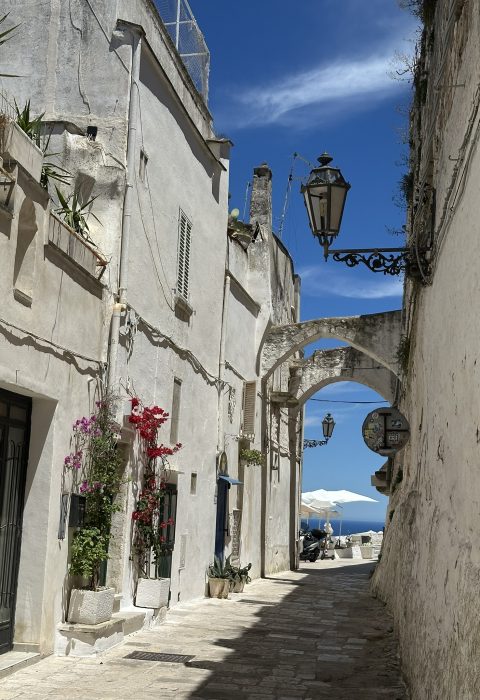
It is especially recommended to visit Otranto at sunset, to wander through the white alleys of the ancient city, which is brimming with shops and restaurants cascading down to the sea, and to stroll along the promenade overlooking the ancient port. The fortress commanding the city beautifully hosts cultural events and art exhibitions, and I highly recommend experiencing the cathedral, renowned for its massive 12th-century mosaic floor.
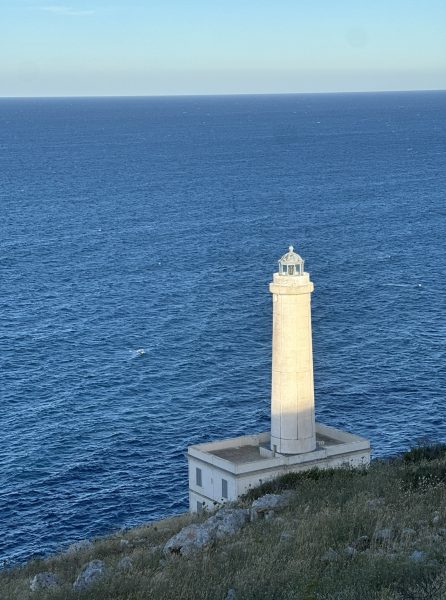
IMG_2022
The easternmost lighthouse in Italy.
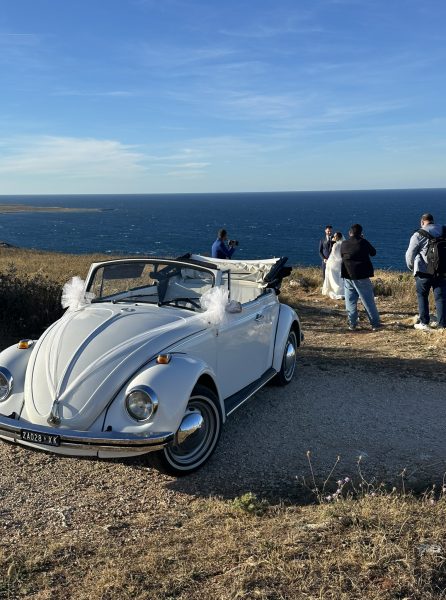
IMG_2008
The lighthouse revealed itself as a favorite location for local wedding photoshoots.

Following the recommendation of the charming Mercedes, owner of the masseria, we headed south for about a half-hour drive to Santa Cesarea Terme.

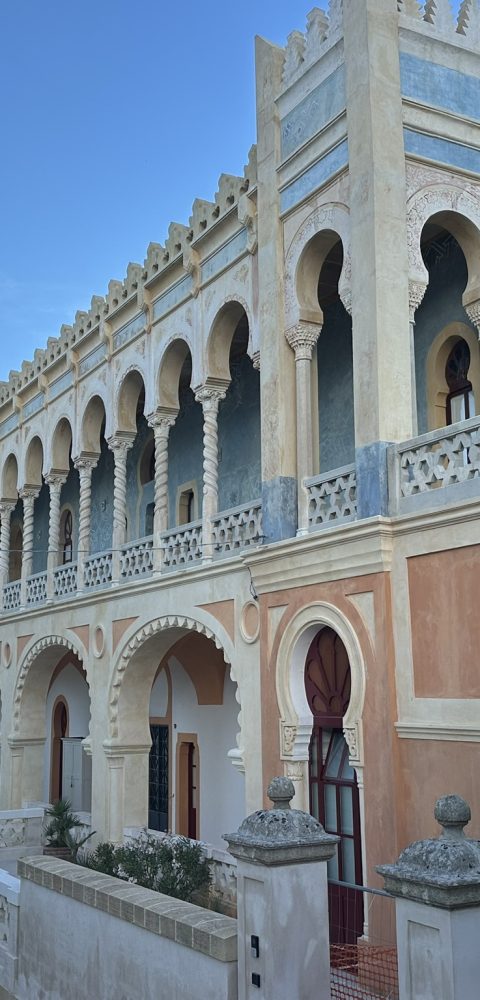
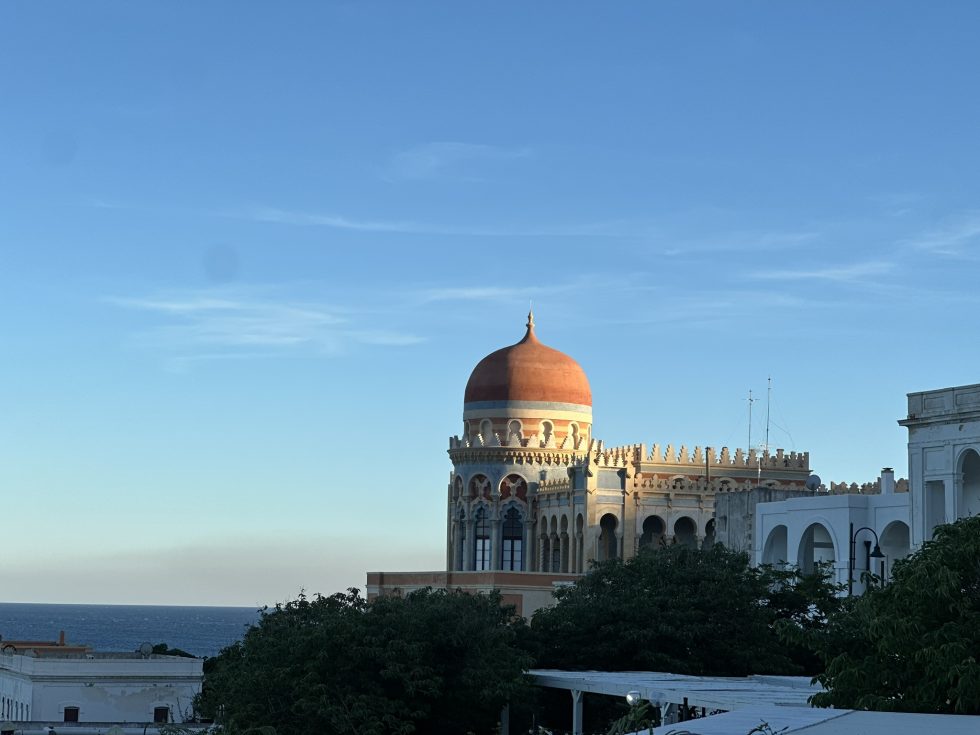
After a beautiful drive along the Adriatic Sea, and a stop at the easternmost lighthouse in Italy, we arrived at one of the most beautiful places in Puglia. Nothing prepared us for the beauty of the palace towering in the center of the town.

Santa Cesarea Terme
IMG_2053
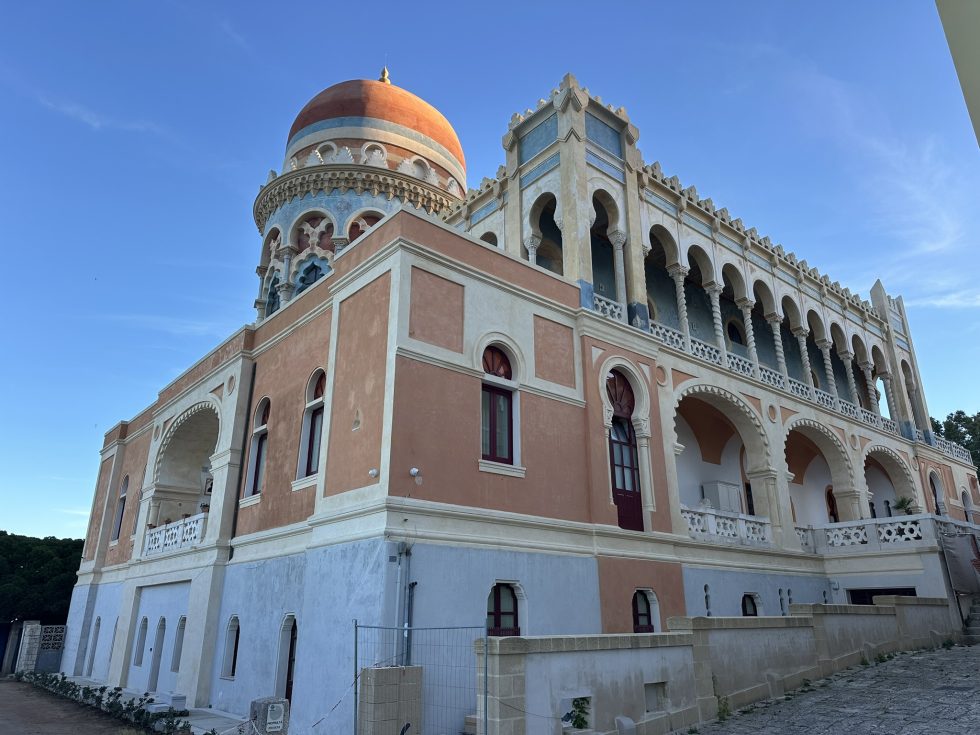
 Palazzo Sticchi

Palazzo Sticchi - A Palace from Eastern Legends

 A palace that looks as if it were taken from an Eastern fairy tale and placed on a cliff overlooking the Adriatic Sea. The palace was built at the end of the 19th century, during a period when the town became a prestigious spa destination thanks to its thermal springs. The building was commissioned by the landowner Giuseppe Sticchi, who wanted to create an extraordinary summer home that would reflect the spirit of the era and the attraction to eclectic architecture.

The uniqueness of the palace lies in its combination of architectural styles. While most of Puglia’s palaces were built in the Renaissance or Baroque tradition, here a distinct Moorish (Islamic) influence stands out: onion domes, arches, geometric decorations, and ornate windows reminiscent of palaces in North Africa and Andalusia (Southern Spain). The warm color of the building, made of local Salento limestone, also blends naturally with the white cliffs and the blue sea.

The palace’s facade was designed to create a dialogue with the landscape. The wide balconies and openings face the sea, allowing natural light and the ocean breeze to enter the interior spaces. The building stands on the edge of the cliff, yet it is located within a residential neighborhood right next to ordinary apartment buildings.

The palace is privately owned, so it can only be admired or rather, leave you completely speechless from the outside. The four facades are entirely different from one another and simply breathtaking

IMG_1822
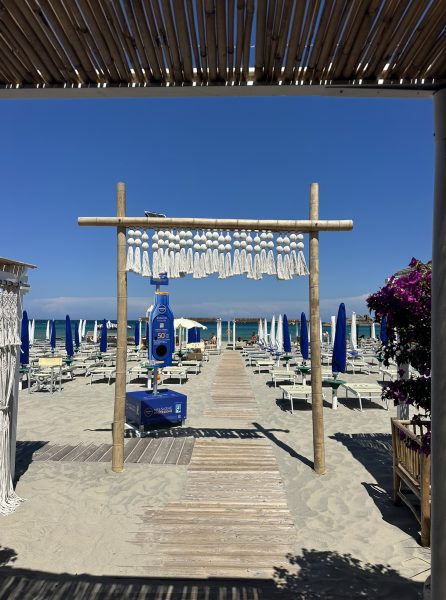
One of the beach clubs right next to the masseria
IMG_2059
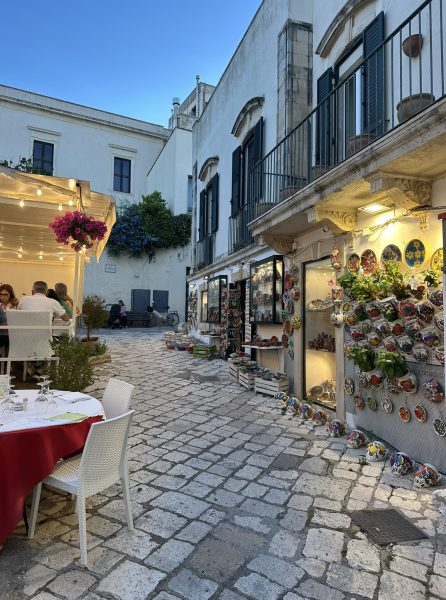
The ancient city of Otranto, a wonderful place for an evening stroll and dinner at sunset
IMG_2177

Ostuni - The White City

With great reluctance, we parted from the wonderful hosts and their magnificent masseria, promised ourselves we would return, and began our journey northwards towards Monopoli, where we had booked a stay in an apartment hotel right on the sea.

Our stop along the way was Ostuni, whose historic center is a labyrinth of alleyways, arched staircases, and small squares flanked by local limestone houses whitewashed with lime. These white houses, which gave the city its name, beautifully reflect the sunlight and grant the city its radiant appearance.

Above this beautiful city rises a Gothic cathedral from the 15th century. Add the expansive view opening to the sea on one side, and the view of the olive groves on the other, and you will capture the true essence of Puglia… abundant beauty and tranquility.

Monopoli - No Connection to the Game of Monopoly

We chose Monopoli, located in the center of Puglia’s Adriatic coast, as our home base for three additional nights. From here, we leisurely explored the Itria Valley and the neighboring coastal towns, and from it, it was a relatively short drive back to the airport in Naples.

To enjoy the sea to the fullest, we chose an apartment hotel in a new, modern building right on the beach, just a 10-minute walk from the beautiful ancient city and port of Monopoli.

Although its name brings to mind the game of Monopoly, its origin actually lies in the Greek “Monos Polis,” meaning “The Only City.” The name is a testament to its importance dating back to the Greek and Roman periods, when it served as a major central trading port between Italy and the Eastern Mediterranean.

Throughout the Middle Ages, the city was ruled by the Byzantines, the Normans, the Angevins, and the Spaniards. Each of these eras left behind an additional layer of architecture and culture.

IMG_2329

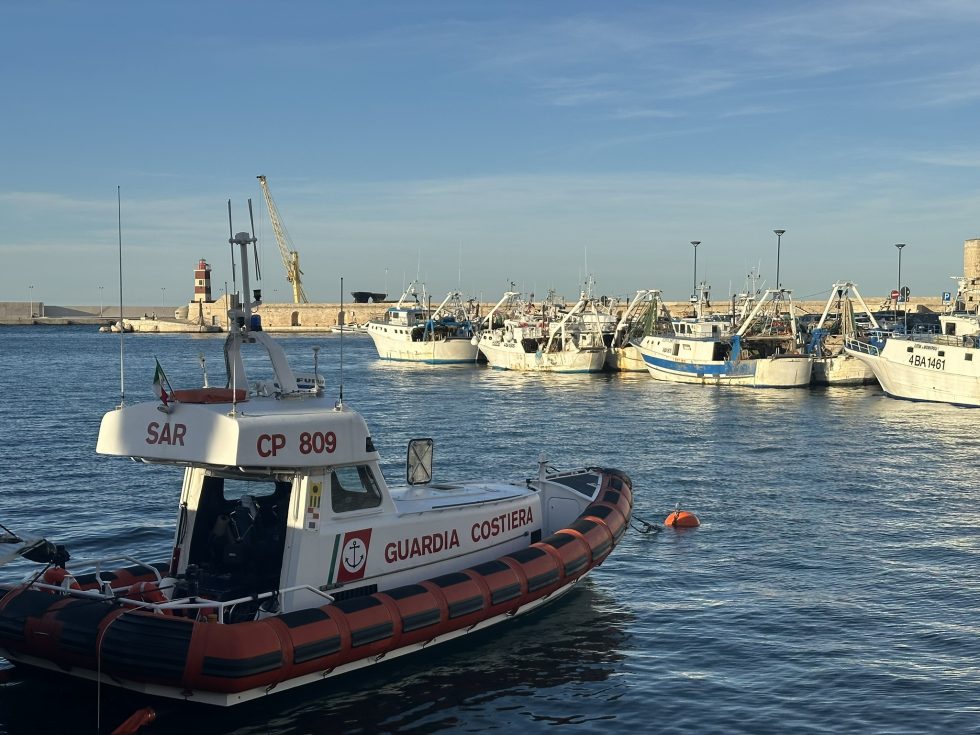
Thanks to its natural harbor, Monopoli became a crucial maritime commercial center. The wealth accumulated here is evident to this day in its impressive palaces, churches, and public buildings. The ancient city is brimming with shops and restaurants nestled among authentic houses and the colorful doors that characterize the area.
In the center of the city stands the Cathedral Basilica of Madonna della Madia, one of the most impressive examples of Baroque architecture in Puglia. Rising on the waterfront is Castello di Carlo V, a 16th-century fortress built to protect the city from sea attacks, which continues to be one of its most prominent symbols.

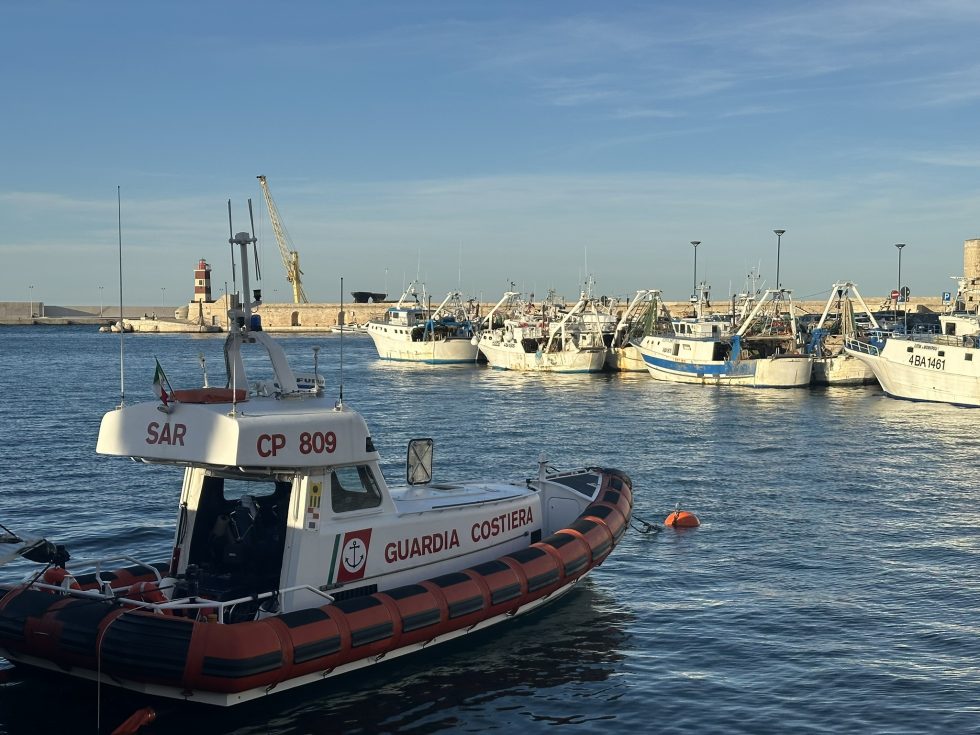
The blue fishing boats anchored in the ancient port

The Trulli Houses in Alberobello

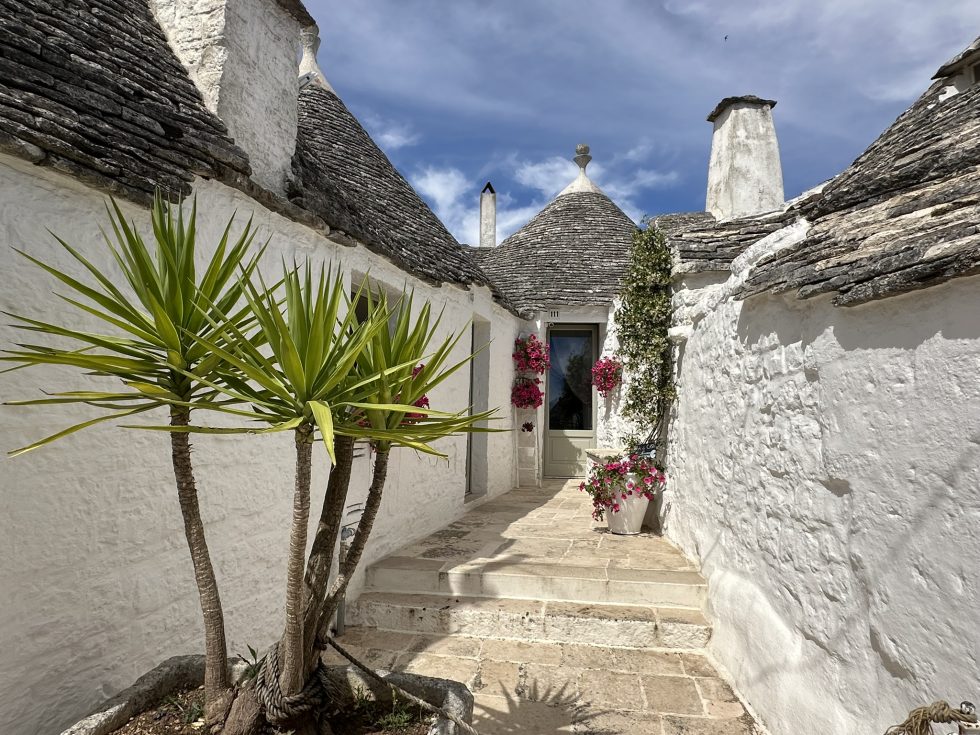
The Trulli houses are among the most recognizable symbols of Puglia and one of the most unique forms of construction in Europe. These are small stone houses with conical roofs, built without the use of cement, but rather from local limestone blocks laid upon one another using a dry-stone construction technique. You can see them scattered about as you arrive in the Monopoli area, but the majority of Trulli houses are concentrated in the Valle d’Itria region, with the largest and most famous concentration found in the city of Alberobello. More than 1,500 Trulli houses have been preserved in the city, and in 1996, it was declared a UNESCO World Heritage site thanks to its architectural and historical value.

Dwarves did not live here, nor did a particularly short-statured community, but the origin of the Trulli houses remains a subject of debate. According to local tradition, they were constructed in a way that allowed them to be dismantled rapidly in the event of a visit by tax collectors from the Kingdom of Naples, thereby avoiding taxation on permanent structures.

Today, many of the Trulli houses serve as private residences, boutique hotels, shops, restaurants, and cafes. Alongside their picturesque charm, they represent local architecture born from a deep familiarity with the raw materials, the climate, and the landscape of Puglia.

IMG_2313

Locorotondo

To complete our visit to the Itria Valley, we continued with a short drive to the beautiful town of Locorotondo, which means “the round place,” stemming from the circular structure of its historic center.

The historic center is exceptionally well-maintained, with houses adorned with blooming flower boxes and iron balconies, overlooking the vineyards, olive groves, and Trulli houses scattered across the valley.

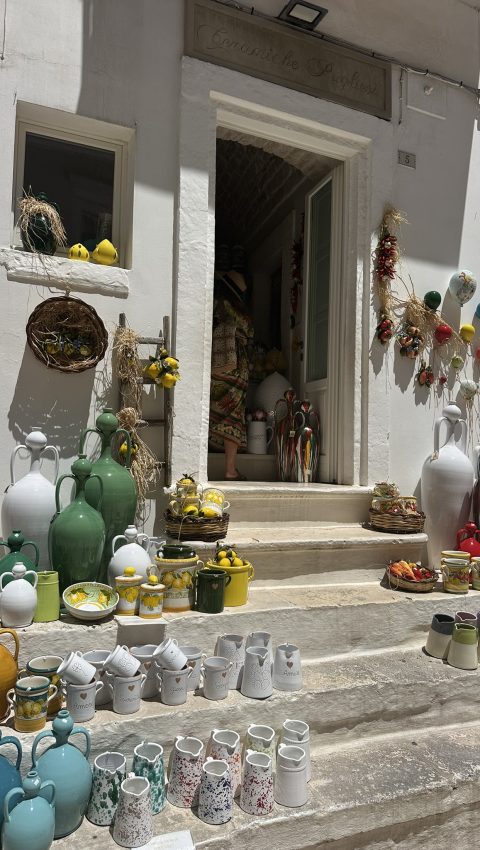
Unlike the more tourist-heavy towns in the area, Locorotondo maintains a relaxed local atmosphere. All that remains is simply to get lost among the alleyways, step into the many galleries, meet the local creators, wander among the design shops showcasing handmade ceramics, embroidery, and arts passed down from generation to generation.

Polignano a Mare-Indescribable Magic

 We arrived as sunset approached. It is located 15 minutes from Monopoli, and we thought it would be perfect for an evening meal to conclude another beautiful day. We knew it was a special coastal town, but even after visiting there, it’s difficult to convey its magic.

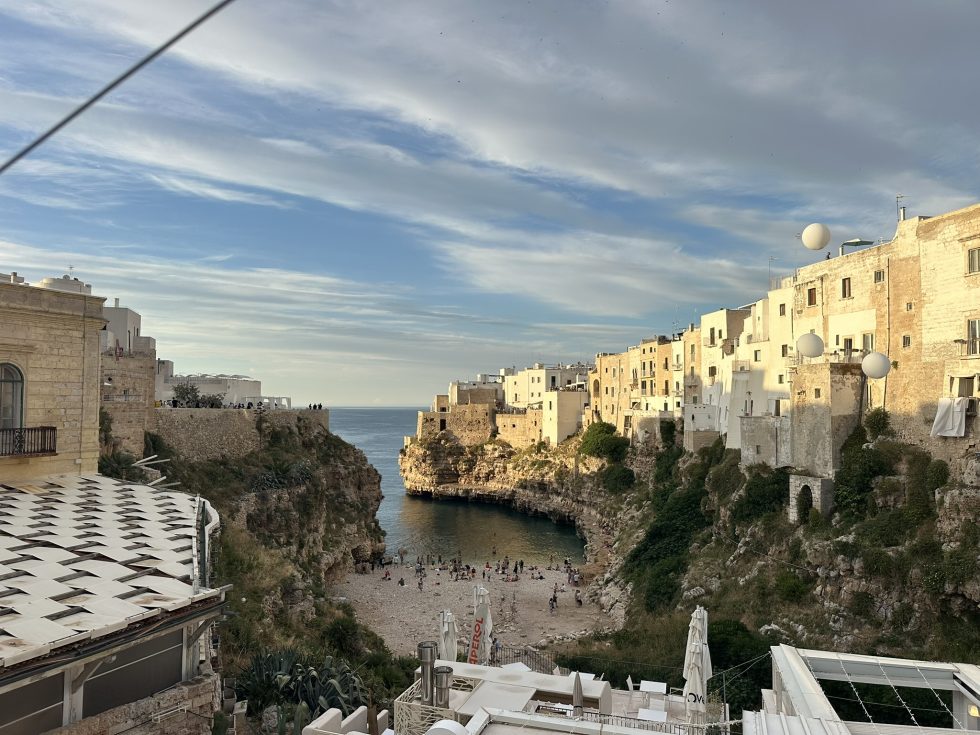
It is one of the most impressive towns along the coast of Puglia. The ancient city of Polignano a Mare stands on white limestone cliffs rising above the clear waters of the Adriatic Sea, creating one of the most recognizable landscapes associated with the region. Narrow alleys, small squares, and balconies suspended over the sea repeatedly lead to breathtaking viewpoints, the most famous of which overlooks Lama Monachile cove. Despite its popularity, Polignano a Mare manages to maintain an authentic Italian charm, with cafes, restaurants, and ancient doors scattered among the stone houses. It is a place that perfectly illustrates the encounter between local architecture and the power of nature.

Fans of the Italian singer will be happy to know that this is the birthplace of the singer Domenico Modugno, leading the legendary Sanremo Festival, and here the song “Volare” was created, which awaits you at the end of the article, and there is no one more suitable than him to convey the Italian beauty..

Polignano a Mare

Pasta, Mozzarella, and Burrata - the Local Food

To Bari, the capital of the region, we traveled only to see the Italian mammas preparing the local pasta in their alleys. Well, I won’t spare you the important detail that this is the only place in Puglia (with a bustling pedestrian street) where fashion chains from Zara and Sephora to Louis Vuitton and the like have opened their doors. And if I am really getting carried away, I will also mention the Puglia Village outlet just north of Bari, which beyond offering truly worthwhile international and Italian brands, is designed just like a blooming and beautifully designed Italian village (hence its legitimacy to be included here).

IMG_2473

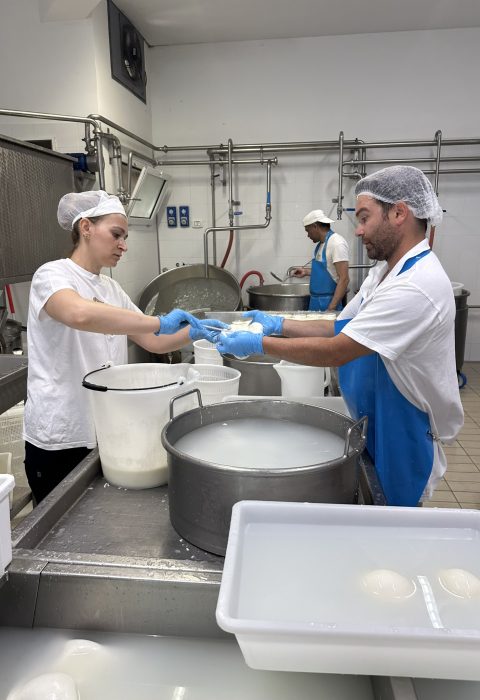
Puglia is the homeland of burrata and mozzarella cheeses.

The production process begins with receiving the fresh milk at 3:00 AM and finishes by 10:00 AM. On our final day, which meant an early start anyway for the three-hour drive to Naples (here we regretted not flying with Israir, which operates two weekly flights to Bari—everything is so close), we stopped to visit one of these dairies.

Caseificio Dicecca, located in the town of Altamura, is a family business that continues a long-standing tradition of cheese making, combining traditional Italian craftsmanship with culinary innovation.

Vito Dicecca, who began learning the art of cheese making in his childhood alongside his father, transformed the place into a pilgrimage site for food lovers from all over the world. Alongside the flagship products, including mozzarella, burrata, and fresh stracciatella, we watched the production process, treated ourselves to a tasting, and, of course, packed a cooled cooler bag for the journey home.

The mystery of inserting the cream into the mozzarella and creating the burrata has been solved. The process begins with making the mozzarella and stretching it out; one person holds it while the other fills the sheet with cream, and they immediately seal the bundle and place it in a bowl of water to complete the process.

Most dairies do not allow visits, and advance booking is mandatory. Believe me, we drove a long way just to end up not getting into one.

A Plot Twist and We Arrived at the Gateway to Amalfi

Stocked up on cheeses, and facing a drive to Naples airport on a fast, uninspiring highway, we received a message from El Al that the flight was delayed by an hour. That was all we needed to cut sharply westward, take the road to the ceramics town of Vietri sul Mare – zigzagging between high mountains, which eventually connected to a reasonable road – and arrive at the picturesque gateway to Amalfi.

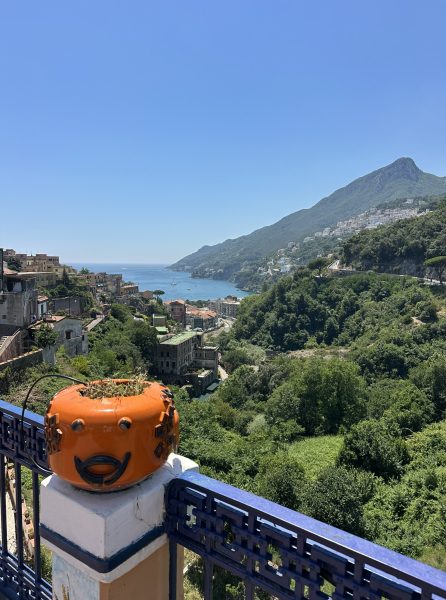
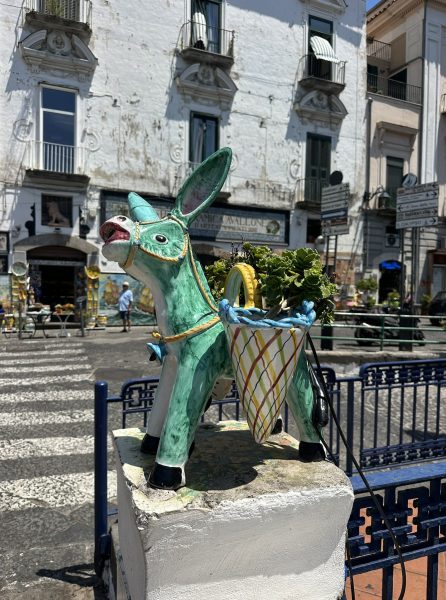
The colorfulness bursts forth right at the entrance to the city. The colors take over the landscape: facades, benches, flights of stairs, and church domes covered in hand-painted majolica tiles, a tradition preserved here for hundreds of years that made for a spectacular conclusion to an unforgettable trip.

IMG_2501
Vietri sul Mare
IMG_2514
70B08335-EEA5-407A-AA2C-2A66BC5C1B85

About Me

I am an interior designer with over 20 years of experience, specializing in the planning and design of luxury apartments, private homes, offices, and commercial spaces. My studio operates in Israel and worldwide.

In Israel -Accompanying local clients seeking meticulous and unique design, as well as working with foreign residents purchasing properties in Israel who require a professional hand to manage the project for them from start to finish.

Globally – Accompanying Israelis in projects overseas. Ranging from Israelis residing abroad to investors in vacation properties and rental apartments in sought-after destinations.

Planning a new project in Israel or abroad? I am here to advise, accompany, and turn your vision into reality.

I believe in the synergy between precise planning and an international aesthetic standard. The studio offers personalized service, integrating advanced AI technological tools that enable complete remote planning and design, alongside physical presence on-site wherever required. My extensive experience allows me to provide a precise solution tailored to Israeli needs, maintaining a global quality standard, anywhere on the map.

Let’s Keep in Touch

Sharing inspiration from around the world: In my blog, Design&the City (also published on Ynet), I share personal and professional experiences from the world’s most beautifully designed places. To ensure you don’t miss a single article about the upcoming design destinations, sign up here.

Instagram: For regular updates on beautifully designed places. Follow me by clicking here. Did you visit a place following my post? Snap a photo, upload it to your story, and tag me!

Feel free to comment and share here in the comments section.

Yours, Nurit

And Finally: A Few Facts You Might Not Have Known About the Song Most Identified with Puglia

  • The song isn’t actually called “Volare.” Although the world knows it by this name, “Volare” is just the first word of the chorus. The song’s official title is “Nel blu, dipinto di blu” (In the blue, painted blue).

  • It was written in 1958 by the Italian singer-songwriter Domenico Modugno, together with lyricist Franco Migliacci. The famous promenade in his hometown of Polignano a Mare is named after him.

  • The song debuted at the Sanremo Music Festival in 1958 and won first place.

  • It subsequently represented Italy in the 1958 Eurovision Song Contest, where it only reached third place, yet it became the most famous Eurovision song of all time.

  • The inspiration for the song wasn’t a journey or a love story, but rather a dream of floating figures inspired by Marc Chagall’s paintings. The lyricist recounted that he fell asleep after drinking wine, dreamt he was painted blue and flying in the sky, and thus the concept for the song was born.

  • When the song was first performed, Modugno spread his arms on stage as if he were about to take off. This gesture became one of the most iconic moments in Italian music history, changing the performance style of singers in Italy.

  • The song was a massive international success. It reached number one on the US charts and won the first two Grammy Awards ever awarded, in the categories of “Song of the Year” and “Record of the Year.”

  • To this day, it is considered one of the most successful Italian songs globally.

Leave a Reply

Your email address will not be published. Required fields are marked *

Let's keep in touch